-
 In January, at least five Native American men were detained by Immigration and Customs Enforcement during raids in Minneapolis. It was one of a number of instances where Native Americans were mistaken for undocumented immigrants by federal authorities. In response, lawmakers have introduced a bipartisan bill to improve the Department of Homeland Security’s interactions with Native Americans when they’re proving citizenship.
 -
 Native communities face higher rates of diabetes compared to other groups. To combat this, some Native Americans are moving towards plant-based diets and lifestyles. KUNM spoke with Jenson Yazzie, a Diné college student who is a part of the Native Food for Life program.
 -
 In March, the Trump Administration issued an executive order that would limit mail-in voting by having a federal agency create a list of American citizens who are eligible to vote by showing proof of citizenship beforehand. KUNM spoke with Jacqueline De León (Isleta Pueblo), senior attorney for the Native American Rights Fund on how this move could impact Native American voters in rural areas.
 -
 The Pueblo of Isleta could lose federal funds for its Head Start program because online betting and prediction markets are hurting the tribe’s gaming revenues. U.S. Rep. Gabe Vasquez (D-NM) met with tribal leaders on Wednesday to discuss the importance of preserving early education programs on sovereign Native lands.
 -
 In the 1970s, thousands of Native American women were sterilized by the Indian Health Service without their consent, including here in New Mexico. KUNM’s Jeanette DeDios sat down with three state senators who helped pass a memorial to investigate this history on New Mexico in Focus. Joining her were Senators Shannon Pinto, Antoinette Sedillo Lopez and Linda Lopez, who talked about what they heard from survivors.
 -
 The Federal Communications Commission estimates that 93% of U.S. residents have access to high speed internet. But that could be overstated. According to a new report by the Urban Institute, rural and Native American communities continue to face barriers to broadband access.
 -
 For decades starting in 1907 Indigenous women and women of color across the country, including New Mexico, were forced or coerced into sterilizations without their informed consent. On Thursday, a coalition of Indigenous women’s reproductive rights advocates called on state lawmakers to create a truth and reconciliation commission to investigate the abuses.
 -
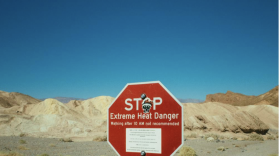 On Thursday, health advocates told lawmakers that increasing extreme heat is impacting Indigenous people’s wellbeing and traditional ways of life.
 -
 The New Mexico spring winds were not kind Sunday afternoon, but that did not deter hundreds of people from gathering to witness Indigenous dancers dressed in their traditional regalia moving to the beat of drums surrounded by onlookers in a circle.
 -
 Cherokee writer and audio journalist Rebecca Nagel’s recently published book “By the Fire We Carry: The Generations-Long Fight for Justice on Native Land” explores the forced removal of Native people and the Supreme Court case that resulted in the largest restoration of tribal land in U.S. history.
© 2026 KUNM
89.9 FM Live From The University Of New Mexico
Play Live Radio
Next Up:
0:00
0:00
Available On Air Stations


